Hampstead Heath event rubbish management 2026 checklist
Posted on 25/06/2026
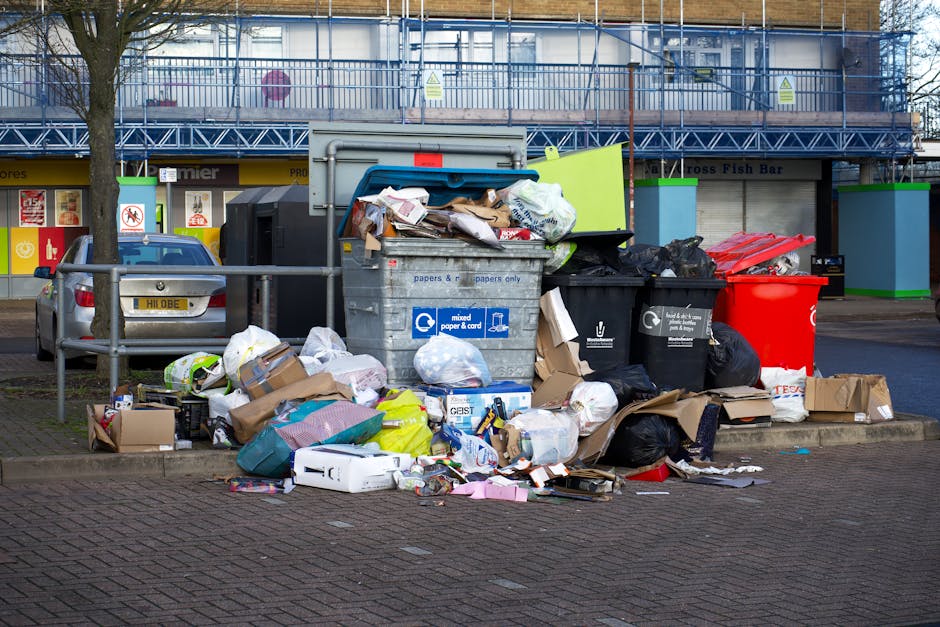
Hampstead Heath Event Rubbish Management 2026 Checklist
Running an event near Hampstead Heath can feel wonderfully simple right up until the bins start overflowing. A summer picnic, community fundraiser, wedding reception, club meet-up, or outdoor brand activation can go from tidy to chaotic in a single busy hour. That is exactly why a Hampstead Heath event rubbish management 2026 checklist matters: it helps you keep the site clean, protect the experience for guests, and avoid awkward last-minute scrambles when the rubbish bags are piling up by the trees.
This guide breaks the process into clear, practical steps. You will find what matters most before, during, and after your event; how to choose the right waste approach; where organisers commonly go wrong; and what a sensible checklist looks like in real life. If you are planning something local and want the setup to feel calm rather than crisis-driven, you are in the right place.
Why Hampstead Heath event rubbish management 2026 checklist Matters
At Hampstead Heath, waste management is not just about keeping things looking neat. It is about respecting a shared public space, reducing disruption, and making sure your event does not leave a trail of plastic cups, food scraps, broken packaging, or awkwardly abandoned cardboard boxes. That might sound obvious, but in practice it is the bit people underestimate most.
Outdoor events tend to generate mixed waste quickly. One table becomes five bags. One food station becomes a queue of disposable trays. A windy afternoon can spread lightweight litter further than you expect. And once a venue is outdoors, the environment changes the game: bins fill faster, collection points get muddied, and the final sweep becomes much more important than it would be indoors.
Truth be told, a clean event is often judged by what guests do not notice. They do not notice the recycling route. They do not notice the hidden storage area for spare sacks. They do notice if rubbish is overflowing beside the catering tent, or if the ground still feels messy as people leave. That little detail shapes how successful the event feels.
If your event is linked to nearby homes, hospitality, or local community activity, waste planning also supports your wider reputation. For organisers exploring other local lifestyle and venue-related topics, it can help to understand the area better through guides like the Hampstead neighbourhood review or even inspiration pieces such as exciting party locations in Hampstead. Different event styles create different waste profiles, and that is where the planning starts.
How Hampstead Heath event rubbish management 2026 checklist Works
The process is straightforward once you break it into stages. First, you estimate the type and volume of waste your event is likely to produce. Then you set up collection points, decide what can be recycled, and plan how rubbish will move off-site safely and efficiently. Finally, you build in a post-event clear-down so the area is left in a better state than the one you found.
For a Hampstead Heath event, the basic waste flow usually looks like this:
- Predict waste by activity - catering, drinks service, ticketing, decorations, signage, and guest numbers all matter.
- Separate waste streams - general waste, recyclables, food waste, cardboard, and occasional bulky items should not be mixed if avoidable.
- Place bins where people actually use them - not hidden behind a gazebo or too far from the action.
- Assign ownership - someone has to monitor bins, replace liners, and call the clear-up before things get out of hand.
- Remove waste on a schedule - during the event if needed, and certainly straight after.
The practical side is usually less about theory and more about timing. A small event may only need a couple of well-placed bins and a final collection. A larger gathering may require staged removals, more frequent checks, and a dedicated person watching the rubbish points every 20 to 30 minutes. That sounds a bit intense, but it saves hassle later. And nobody wants to be stuffing bin bags into a car boot at 11 p.m., let's face it.
If your event setup is part of a broader premises or property project, it may also be useful to look at related services and planning context through pages such as services overview or recycling and sustainability. Those pages help frame how waste handling sits inside a larger operational approach.
Key Benefits and Practical Advantages
A good waste plan does more than keep the place tidy. It improves the whole event experience from arrival to final pack-down. The benefits are practical, but they are also reputational. People remember when a site feels organised.
- Cleaner guest areas - fewer scattered cups, serviettes, and snack wrappers.
- Better safety - reduced trip hazards from loose packaging, broken glass, or overfilled bags.
- Faster close-down - less lingering mess when the event finishes and the light starts to go.
- More efficient recycling - a clearer waste stream is usually easier to sort properly.
- Less stress for organisers - one fewer thing to worry about during peak moments.
- Better public perception - especially important in a well-used, admired place like Hampstead Heath.
There is also a less obvious benefit: better control over cost. When rubbish is sorted well and collected at the right time, you are less likely to pay for unnecessary extra removals or waste staff time on avoidable clean-up. If budget planning is already on your mind, the page on the real cost of rubbish removal in Hampstead NW3 is a useful companion read.
One small bin decision can save a whole afternoon. That is not drama, just experience speaking.
Who This Is For and When It Makes Sense
This checklist is for anyone responsible for waste at a Hampstead Heath event, even if rubbish control is not their main job. In practice, that includes a lot of people.
- Community organisers running seasonal gatherings or charity events
- Wedding planners managing temporary outdoor celebrations
- Private hosts coordinating birthday parties or informal receptions
- Catering teams handling food service and disposables
- Corporate event organisers staging launches, networking sessions, or brand activations
- Property managers or homeowners preparing adjacent spaces for guests
It makes sense whenever your event creates more waste than a standard household bin can handle, or whenever guests will be moving around multiple zones. Even a modest event can generate more rubbish than expected if food is served outdoors. Wet napkins, compostable containers, drink bottles, flowers, tape, and signage all add up.
If you are planning an event that sits alongside home moves, property viewings, or local hospitality use, you may also find useful context in buying and selling homes in Hampstead and Hampstead real estate key investment advice. Different kinds of occupancy and usage create very different clean-up realities. Slightly odd sentence maybe, but true.
Step-by-Step Guidance
Here is the cleanest way to approach event rubbish planning without overcomplicating it.
1. Estimate waste before you book anything else
Start with the basics: guest count, duration, food service, drink service, and whether you are using single-use items or reusable ones. A daytime picnic with bring-your-own food needs a very different waste setup from a catered evening event with packaging, ice, and glassware.
Make a rough list of waste sources:
- Food packaging and scraps
- Drink containers
- Napkins, paper plates, and cutlery
- Cardboard crates and delivery packaging
- Decorations, tape, labels, and signage
- Broken items or bulky leftovers
2. Choose the right waste containers
Do not assume one large bin will solve everything. It rarely does. A better approach is to match bin size and type to the event layout. You may need clearly labelled points for general waste and recycling, plus extra sacks or tubs behind the scenes for overflow.
3. Set bin locations where movement naturally happens
Place bins near exits, food areas, drink points, and any pause zones where people gather. If a bin is too hidden, people simply walk past it. If it is too close to food service, it can get clogged fast. Balance matters.
4. Nominate someone to monitor waste during the event
This is one of the simplest fixes and one of the most forgotten. Someone needs to check bin levels, replace liners, deal with spills, and flag full containers before they become an issue. On a busy evening, that role is not glamorous. Still, it keeps the whole setup running.
5. Plan the collection window in advance
Do not leave collection until the end and hope for the best. If rubbish is likely to build quickly, arrange mid-event clear-outs or scheduled collections. This is especially important if you expect heat, wind, or food waste. Nobody enjoys sorting sticky rubbish in the dark after a long day.
6. Finish with a final sweep
After the event, carry out a thorough litter sweep. Check under tables, around seating, beside catering stations, and along the main walking route. The small stuff matters. Bottle tops, napkin scraps, cable ties, and loose labels are the bits that get missed.
If your event setup includes heavier waste, broken furniture, or leftover staging materials, the page on builders waste disposal Hampstead can be useful as a reference point for understanding how bulkier material should be handled. Not every event produces that kind of waste, of course, but some do.
Expert Tips for Better Results
After enough events, a few patterns become obvious. The following tips are the ones that prevent most avoidable mess.
- Use more bins than you think you need. It is usually better to have a slightly underused bin than one that is rammed full by mid-afternoon.
- Label everything clearly. A label that says "recycling" is better than a vague symbol no one notices.
- Keep spare liners on hand. The unexpected extra bag, always needed at the wrong time, is less annoying if it is already there.
- Separate food waste from dry waste where possible. Mixed waste is harder to manage and often messier.
- Protect the ground beneath waste points. In damp weather or after heavy footfall, a bit of ground covering or matting can save effort later.
- Brief caterers and volunteers early. One short pre-event briefing saves a lot of "where does this go?" confusion.
And one more: if your event is near an area with lots of pedestrian movement, think about what rubbish looks like from a distance. A tidy waste station feels deliberate. A loose pile of sacks, not so much.
There is also a modest but important trust point here. If you are arranging collections, staging removals, or using a professional waste partner, make sure the team is clear on access, timing, and expectations. You can see more about operational standards and business practices through insurance and safety and the company background on about us.
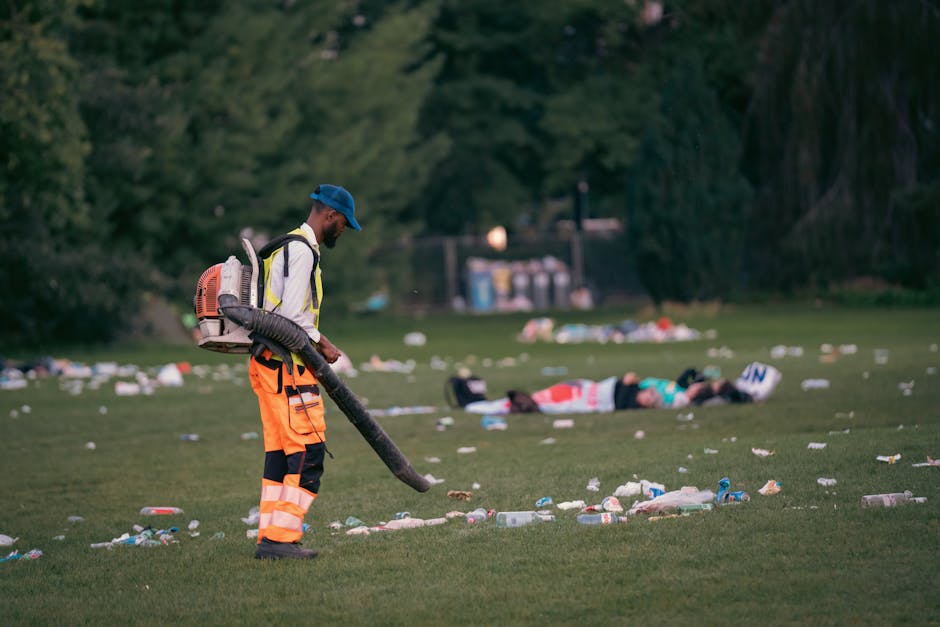
Common Mistakes to Avoid
Most rubbish problems come from a handful of predictable mistakes. The good news? They are easy to avoid once you know what they are.
- Underestimating waste volume - especially at food-led events.
- Using too few collection points - people will not walk far just to throw something away.
- Forgetting recycling separation - this makes the clean-up slower and less tidy.
- Leaving rubbish coveralls for the end only - which creates a huge final task for tired staff.
- Ignoring weather - wind, rain, and heat all change how waste behaves.
- Not planning for bulky items - tables, packaging, broken decor, and staging materials do not vanish by themselves. Sadly.
One common sight after an event is a cluster of bagged rubbish waiting for a lift that never quite materialises on time. By then, the bags are sagging, the area looks untidy, and the whole final impression gets weaker. That is why the plan should include collection timing, not just bin placement.
For local context on day-to-day disposal expectations, the page on Camden Council rules for bulky rubbish disposal in Hampstead is a useful related read. Keep in mind that event waste and household bulky rubbish are not identical situations, but the underlying discipline is similar: know what you have, know where it goes, and do not leave it hanging around.
Tools, Resources and Recommendations
You do not need a huge toolkit, but a few practical items make a big difference. The best setups tend to be the unglamorous ones.
| Tool or Resource | What it helps with | Best for |
|---|---|---|
| Clearly labelled bins or sack holders | Separating waste at source | All event sizes |
| Spare liners and heavy-duty sacks | Handling overflow quickly | Food-led or longer events |
| Gloves and litter pickers | Safe clear-up and final sweep | Outdoor post-event clean-down |
| Waste check rota | Making sure someone monitors fill levels | Teams with volunteers or multiple staff |
| Collection timetable | Preventing pile-ups and missed pickups | Events with staged waste output |
If you are comparing waste support options or trying to understand how collections fit into the wider service landscape, the page on waste removal Hampstead can help frame the service types available. For events that involve lower-volume but frequent collection needs, rubbish collection Hampstead is another useful point of reference. The right option depends on timing, material type, and how hands-on you want the process to be.
For cost comparison and budgeting, it also makes sense to review pricing and quotes alongside your event plan. A rushed waste decision near the end of the planning cycle is often the one that costs more. Funny how that happens every time.
Law, Compliance, Standards, or Best Practice
Event rubbish management touches on legal and practical responsibilities, even when the event is informal. You do not need to turn the planning process into a legal seminar, but you do need to treat disposal seriously.
In the UK, the broad expectation is that waste is stored safely, separated sensibly where possible, and passed to an appropriate licensed carrier or collection route when required. For event organisers, that usually means keeping clear records of what is being removed, arranging collections in advance, and making sure waste is not left in a way that creates nuisance, spill risk, or avoidable litter.
Best practice usually includes:
- Reducing waste at source where possible
- Separating recyclable material from general waste
- Keeping waste secure from wind, wildlife, and public access
- Using appropriate containers for food waste, glass, and mixed rubbish
- Making sure collections happen promptly after the event
If your event includes contractors, caterers, volunteers, or subcontracted teams, keep responsibilities in writing. That is not just tidy admin. It avoids confusion later if something gets missed. Small events can get away with very loose planning. Larger ones really cannot.
It is also sensible to work with a provider that is transparent about service scope, security, and payment handling. The pages on payment and security and terms and conditions can help set expectations before you book anything.
Options, Methods, or Comparison Table
There is no single perfect waste method for every Hampstead Heath event. The right choice depends on guest count, waste type, event duration, and how much staff time you can spare. Here is a simple comparison.
| Method | Best for | Pros | Trade-offs |
|---|---|---|---|
| On-site sorting with scheduled collection | Medium to large events | Good control, better recycling, cleaner appearance | Needs active monitoring |
| Single collection point with final sweep | Small gatherings | Simple, easy to manage | Can become messy if the event runs long |
| Volunteer-managed waste stations | Community events | Flexible, personal, cost-conscious | Depends heavily on briefings and supervision |
| Professional removal support | Busy or higher-volume events | Reliable, quicker clear-down, less stress | Needs advance booking and budget planning |
For many organisers, a hybrid approach works best: a simple in-event bin system, then a professional collection or removal arrangement once the crowd clears. That is usually the sweet spot. Nothing fancy, just effective.
If you are building a broader local plan that includes seasonal garden material, nearby property clearance, or mixed-use waste handling, related pages like garden waste removal Hampstead, house clearance Hampstead, and office clearance Hampstead may be useful background for understanding how different waste streams are usually handled.

Case Study or Real-World Example
Picture a late-summer outdoor gathering near Hampstead Heath: around 90 guests, simple buffet catering, drinks, flowers, printed table notes, and a few moveable decor items. Nothing extreme. The organiser starts with two general waste points and one recycling point, but before the event they also add a back-of-house sack station for cardboard, spare napkins, and catering packaging.
At first, everything looks fine. Guests settle in, the weather stays calm, and the food service moves quickly. Then the first surprise arrives: drink cups pile up much faster than expected because people keep refilling and wandering. The organiser notices the bins are nearing capacity halfway through the evening and asks a helper to swap liners before overflow starts. That tiny intervention saves the venue from looking tired and scruffy.
After the main gathering ends, the team does a final sweep. They find a few windblown serviettes, a couple of ribbon ties, and one broken cardboard box hiding near a shrub. Nothing dramatic. But the difference between "done" and "done properly" is often exactly that kind of small detail.
By morning, the space is back to normal. Guests remember the atmosphere, not the rubbish. That is the goal, really.
Practical Checklist
Use this as your working checklist for a Hampstead Heath event rubbish management 2026 plan. Keep it beside your run sheet. Better yet, share it with whoever is handling setup and close-down.
- Estimate waste volume based on guest count, catering style, and event duration
- Choose enough bins or sacks for general waste, recycling, and overflow
- Label waste stations clearly so guests and staff know what goes where
- Position bins near high-use areas such as food, drink, and exits
- Assign one person to monitor fill levels throughout the event
- Keep spare liners, gloves, and litter tools nearby
- Schedule collection or removal in advance rather than leaving it to the end
- Separate recyclable items where practical
- Watch for weather issues like wind, rain, and heat
- Plan a final sweep of the full site before you hand it back
- Account for bulky or awkward items that will not fit normal sacks
- Confirm who is responsible for the final lock-up and disposal check
Quick expert summary: the best event rubbish plan is usually the simplest one that is still specific. Know your waste, place bins where people naturally use them, keep a human eye on the system, and remove rubbish before it starts to dominate the space.
If you want to build a fuller Hampstead-focused planning picture, the local guides on rubbish collection tips for Rosslyn Hill residents in Hampstead and hidden gems and timeless traditions in Hampstead can help with neighbourhood context and everyday practicalities.
Get a free quote today and see how much you can save.
Conclusion
A successful event near Hampstead Heath is rarely about perfection. It is about keeping the space calm, clean, and easy to use while everything else is going on. A strong rubbish plan helps you do exactly that. It protects the guest experience, reduces stress for the organising team, and makes the finish feel polished rather than rushed.
The key is to plan waste management as part of the event itself, not as an afterthought. Once you think that way, the rest becomes much easier. You choose the right bins, set the right collection rhythm, and leave yourself enough room to deal with the inevitable small surprises. Because there are always a couple. Always.
Done well, rubbish management is invisible. And that is a very good thing.
 Tipper Van - Rubbish Collection and Commercial Clearance Prices in Hampstead, NW3
 Luton Van - Rubbish Collection and Commercial Clearance Prices in Hampstead, NW3