Business rubbish collection Hampstead shop and office solutions
Posted on 19/10/2026
Running a shop or office in Hampstead means juggling a lot at once: customers, deliveries, staff schedules, storage, and the steady build-up of waste that seems to appear from nowhere. One day it is cardboard from stock deliveries, the next it is broken office furniture, old packaging, or a back-room clear-out you have been putting off for weeks. Business rubbish collection Hampstead shop and office solutions are designed to take that pressure off, so your premises stay tidy, safe, and workable without turning waste into a daily headache.
If you manage a small retail unit, a professional office, or a mixed-use space, the right collection setup can make a surprising difference. It is not just about getting rid of junk. It is about keeping pathways clear, protecting your image, avoiding disruption, and handling waste in a way that fits real business life in NW3. In this guide, we will walk through how it works, what to expect, the common mistakes to avoid, and how to choose a solution that actually suits your shop or office rather than forcing you into a one-size-fits-all arrangement.
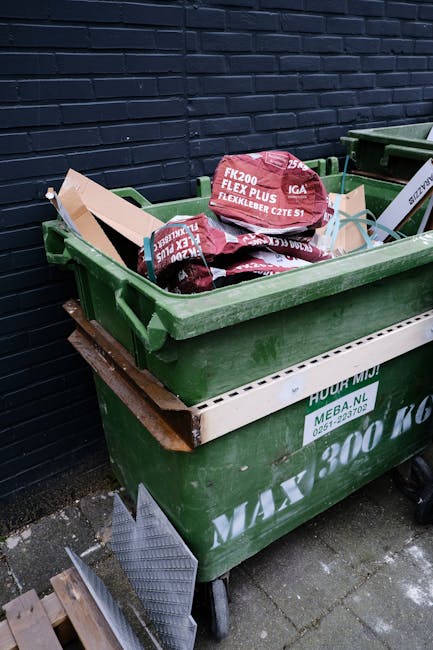
Why Business rubbish collection Hampstead shop and office solutions Matters
Waste is one of those things people underestimate until it starts taking over. In a shop, it can spill into the customer area and make the place feel cramped or neglected. In an office, it can clog storage rooms, create tripping hazards, and make even a smart workspace look temporarily chaotic. The odd bag here and there? Fine. But once waste starts building up, it affects operations, morale, and first impressions all at once.
For Hampstead businesses, that matters even more because many premises operate in tighter footprints, older buildings, or mixed-use properties where space is already limited. A cluttered stockroom can slow down retail staff. A pile of old desks or archive boxes can make an office feel like it is always mid-move. And let's face it, nobody wants to open the front door to customers while a broken display stand is waiting by the entrance.
There is also the practical side. Poorly managed business waste can lead to unpleasant smells, blocked access, pest issues, and unnecessary stress for staff. If collection is inconsistent, the workarounds usually cost more time than they save. You end up moving rubbish from one corner to another, which is not really a solution at all.
For many local businesses, a dependable collection plan is part of business hygiene. It helps you stay presentable, reduce operational friction, and keep your team focused on actual work instead of bin logistics. That sounds boring, maybe, but it is one of those boring things that quietly protects the whole business.
How Business rubbish collection Hampstead shop and office solutions Works
In simple terms, business rubbish collection is a planned or on-demand service that removes non-hazardous commercial waste from shops, offices, and other business premises. Depending on the setup, collections can be one-off, scheduled, or tied to a broader clearance project. The best option depends on what you generate, how often it builds up, and how much space you have to store it safely before collection.
Usually, the process starts with an assessment of the waste type and volume. For example, a boutique shop may need help with packaging, display materials, and old shelving. An office may need desktop equipment removed, archive disposal, or periodic clear-outs of storage rooms. A good provider should ask practical questions: what needs removing, whether there are stairs or narrow entrances, where collection vehicles can stop, and whether the waste is mixed or sorted.
There is also the sorting piece. A sensible business collection plan often separates recyclable material from general rubbish where possible. That can be especially useful for cardboard-heavy retail operations or offices producing a lot of paper and packaging. If you are already thinking about sustainability, it may help to pair collection with a stronger recycling habit rather than treating everything as mixed waste. You can read more about that approach in the site's recycling and sustainability guidance.
Collection timing matters too. Some shops need early-morning or end-of-day visits to avoid interrupting customers. Offices may prefer a window outside core working hours so staff can keep moving without dodging bags and bulky items. Good planning keeps the process quiet, quick, and out of the way. Not invisible, exactly, but close enough.
If your business is larger or has recurring needs, it can help to view waste removal as part of a wider service plan. The site's services overview is a useful place to understand how different collection types fit together, from one-off rubbish removal to more specialised clearances. And for pricing structure questions, pricing and quotes gives a practical starting point before you commit to anything.
Key Benefits and Practical Advantages
The clearest benefit is obvious: less clutter. But the real value goes beyond tidy floors and empty corners.
- Better customer perception: A clean shopfront or reception area feels organised and trustworthy. People notice the little things, especially in Hampstead where standards tend to be high.
- Safer working conditions: Removing loose packaging, damaged fixtures, and old stock reduces trips, blocked exits, and awkward lifting risks.
- More usable space: That back room or filing area suddenly becomes workable again, which is handy if you are running on a tight footprint.
- Less staff distraction: Your team can focus on serving customers or handling office work instead of figuring out where the waste goes.
- Improved scheduling: With a set plan, rubbish collection stops being an emergency and becomes part of your routine.
- Cleaner brand presentation: A neat premises says something positive about how you run things, even before anyone speaks to you.
For offices in particular, clear-out work often reveals how much unnecessary material has quietly accumulated. Spare monitors, dead chairs, obsolete printers, a box of cables no one can identify. You know the kind. Shops get a different build-up, usually more packaging-heavy, but the effect is the same: waste steals useful space little by little.
There is also a less visible advantage: peace of mind. Once you know waste is being handled properly, you stop worrying about whether the back room will look terrible on a busy Friday or whether an urgent stock delivery will have nowhere to go. That mental relief is not nothing.
Who This Is For and When It Makes Sense
Business rubbish collection Hampstead shop and office solutions are useful for a wide range of local operations, but they are especially sensible when waste is building faster than your internal team can manage it.
Retail businesses: Clothing stores, beauty shops, small independents, food-adjacent retailers, and showrooms often need fast removal of packaging, old display units, broken stock fixtures, and promotional materials. Busy seasons make this worse, not better.
Offices: Professional firms, co-working spaces, creative studios, consultancies, and administrative offices often need help with desk clear-outs, archive disposal, old IT equipment, and general office decluttering. If you have ever tried to move three filing cabinets through a narrow corridor, you will understand why planned collection matters.
Mixed commercial premises: Some Hampstead properties combine storage, retail, and office use. These spaces can generate several waste streams at once, which makes a flexible collection approach much more useful than a rigid one.
Businesses during change: Refits, relocations, downsizing, seasonal resets, and post-lease handovers all create waste spikes. That is the point where a collection service stops being convenient and starts being essential.
When it makes sense: If rubbish is affecting floor space, making staff movements awkward, creating an untidy customer area, or building up faster than your bins can cope with, the answer is probably yes. In practice, the right time is often before the mess feels urgent. Waiting until Friday afternoon, with customers coming and a pile of boxes by the door, is not ideal. Not by a long shot.
If you are comparing waste removal options for a commercial property and want a broader view of what is available, the waste removal Hampstead page can help you see how business needs fit within the wider local service picture.
Step-by-Step Guidance
If you want the process to feel straightforward, it helps to break it down. This is usually where businesses save time, money, and a fair bit of frustration.
- Identify the waste type. Separate general rubbish, recyclable material, bulky items, and anything that may need special handling. Mixed waste is fine in many cases, but knowing what you have makes planning easier.
- Estimate volume honestly. A small pile behind the counter can be misleading. Once bags are stacked and bulky items are added, the load may be larger than it first looked. Be honest here; it saves awkward surprises later.
- Check access. Make sure collection crews can reach the waste area, and think about stairs, lifts, loading points, and parking restrictions. In older Hampstead buildings, access can be the real challenge, not the waste itself.
- Choose timing that fits trading hours. Early morning, after closing, or during quieter office periods are usually best. Your staff should not be weaving around bags while trying to work.
- Ask how the waste is handled. Good practice means clear separation where possible, responsible disposal, and a sensible approach to recycling. If sustainability matters to your business, this question is worth asking.
- Confirm the scope before the visit. Make sure everyone agrees on what is being removed. Small misunderstandings can turn into delays, and nobody enjoys that at 8:30 on a Monday.
- Plan a quick post-collection tidy. Once the waste is gone, take ten minutes to reset the area. It is a simple step, but it helps the workspace feel genuinely finished rather than half-done.
For businesses that need a more comprehensive internal clear-out, the office clearance Hampstead service is a natural next step to consider. It is especially helpful when waste collection is only part of the problem and the real issue is surplus furniture, archives, or redundant equipment.
Expert Tips for Better Results
In our experience, the smoothest business collections are rarely the ones that happen in a rush. They are the ones where someone spends ten minutes planning properly.
Keep a waste log. It does not need to be fancy. A simple note of what gets thrown out most often can tell you whether your waste is mostly packaging, office clutter, or occasional bulky items. That helps you spot patterns and avoid over-ordering collections.
Use the same collection point. If waste keeps moving around the premises, staff waste time hunting for it. A fixed collection area makes the routine easier and safer.
Flatten cardboard early. Especially in shops, cardboard can take over fast. Breaking it down as it arrives prevents that annoying wall-of-boxes effect in the back room.
Separate reusable items. Not everything needs to become waste. Office chairs, shelving, and fixtures may be reusable by another department, another site, or another business. If it still has life in it, pause before you bin it.
Schedule around delivery peaks. If your shop gets busy with stock arrivals on certain days, do not schedule collection for the same window unless you enjoy logistical chaos. You probably do not.
Ask about item handling. Some materials are awkward, heavy, or fragile. Knowing in advance how they will be lifted and moved helps protect your premises and your team.
A small but useful habit: photograph the waste pile before collection if you are dealing with a larger clear-out. It is not about being dramatic. It just helps you keep track of what left the building and makes later planning much easier.

Common Mistakes to Avoid
Many business waste problems come from the same handful of mistakes. The good news is that most are easy to prevent.
- Leaving waste until it blocks daily operations. The longer it sits, the more disruptive it becomes.
- Underestimating volume. Small piles expand quickly once they are bagged and stacked.
- Mixing everything together without thinking. A bit of sorting can save time and improve recycling outcomes.
- Forgetting access issues. A collection plan is only useful if vehicles and crews can actually reach the waste.
- Not defining what should be removed. If the instructions are vague, mistakes happen. Simple as that.
- Ignoring working hours. A badly timed collection can interrupt customers or staff at the worst possible moment.
- Assuming every service is the same. Some are built for one-off load removal, others for fuller clearance work. They are not interchangeable, despite what a rushed decision might suggest.
Another common issue is the hidden cost of delay. A cluttered stockroom can slow fulfilment. A cramped office can reduce productivity. A jammed customer space can subtly hurt your brand. That cost is often invisible until it adds up. Which is annoying, because it feels like "just rubbish" at first.
If you want a better sense of what can distort pricing or create confusion, the article on avoiding hidden charges when booking rubbish collection is worth a look. It is a practical reminder to ask clear questions before anything is booked.
Tools, Resources and Recommendations
You do not need a complicated system to manage business rubbish well, but a few simple tools help a lot.
- Labelled bins or sacks: Keep general waste, recycling, and bulky items easier to distinguish.
- Basic inventory notes: A shared list of what has been removed or set aside prevents double-handling.
- Measured storage space: Know exactly where waste can sit temporarily without affecting customers or staff.
- Collection calendar: A shared reminder reduces missed pickups and last-minute scrambling.
- Internal sign-off process: For office clear-outs, make sure key staff know what is being removed before it disappears.
For businesses that are scaling up, it can be useful to look beyond waste in isolation and think about the building as a whole. If you are refurbishing, reconfiguring, or clearing out storage as part of a larger project, the builders waste disposal Hampstead page may be useful because commercial premises often generate a mix of office, retail, and light refurbishment debris.
And if your commercial clear-out is really part of a wider property transition or end-of-tenancy handover, the broader rubbish collection Hampstead information can help you understand how different waste situations are usually approached locally.
Law, Compliance, Standards, or Best Practice
Waste handling for businesses in the UK should always be approached carefully. The exact obligations depend on the type of business, the waste produced, and how it is stored or transferred. That is why it is wise to treat compliance as a normal part of waste planning rather than an afterthought.
At a practical level, businesses should make sure waste is handed over to a responsible and appropriate service, and that any paperwork or records required for their situation are kept properly. If your business produces multiple waste types, or if there are items that need special handling, extra care is needed. This is especially true for offices disposing of electronics, confidential material, or heavy furniture, and for shops dealing with packaging in large volumes.
Best practice is usually quite straightforward: store waste safely, do not obstruct exits, keep collection areas tidy, and make sure staff understand what can and cannot go into each stream. If you are unsure about a particular material, do not guess. Ask first. That one habit avoids a lot of trouble.
Safety matters too. Heavy lifting, sharp edges, broken fixtures, and awkward access points can all create risk during collection. Good planning should reduce these risks, not add to them. It is also worth checking insurance and operational safeguards before agreeing to any collection that involves bulky or awkward items. The site's insurance and safety page is a sensible reference point when you are thinking about risk control and peace of mind.
For businesses concerned with broader ethical handling of labour and supply chains, the site's modern slavery statement may also be relevant as part of your supplier due diligence process. And if your team wants to understand how personal data is handled during booking or correspondence, the privacy policy and terms and conditions pages are the right places to review the basics.
Options, Methods, or Comparison Table
Different shops and offices need different approaches. The table below gives a simple comparison of common methods.
| Method | Best for | Strengths | Limitations |
|---|---|---|---|
| One-off rubbish collection | Unexpected build-ups, occasional bulky items, quick clear-outs | Flexible, fast, simple to arrange | Less efficient for recurring waste |
| Scheduled waste collection | Busy shops, regular office waste, predictable volumes | Consistent, easier to plan, reduces clutter | May need adjustments during peaks or quiet periods |
| Office clearance | Furniture removal, archives, equipment replacement | Good for larger reset projects | More involved than simple collection |
| Mixed commercial waste removal | Premises with varied rubbish streams | Flexible and practical for day-to-day business use | Needs clearer sorting and communication |
If you are leaning towards a full removal rather than a simple pickup, the office clearance Hampstead option usually makes more sense when furniture, storage, and old tech are all part of the same problem. On the other hand, if the issue is mostly recurring bags, packaging, and small overflow loads, a regular collection plan is often enough.
A useful rule of thumb: choose the simplest method that fully solves the problem. Not the flashiest one. Not the cheapest-looking one if it leaves half the mess behind. The simplest one that actually works.
Case Study or Real-World Example
Picture a small Hampstead shop that sells homeware and gifts. After a busy seasonal changeover, the back room is full of flattened boxes, damaged display materials, and a few bulky items that have sat there "temporarily" for several weeks. Staff are still serving customers, but every stock delivery now requires a bit of careful shuffling. Nothing is broken, exactly, but the space feels tired and cramped.
Instead of trying to clear it piece by piece over a month, the business sets a simple plan: identify what is leaving, move anything reusable aside, flatten what can be flattened, and arrange a collection window before opening one morning. The result is not dramatic in a Hollywood sense. Nobody claps. But by 9 a.m. the room is usable again, the team can restock properly, and the shop looks calmer from the moment customers walk in.
An office example looks a little different. A small professional team in a converted building decides to replace old chairs and archive several years of paper records. Rather than leaving the old furniture in a corridor "until someone has time," they combine the removal into one planned collection. That avoids repeated disruption, keeps the stairway clear, and lets the office reset in one go. Small win, but a real one.
These situations are common because waste problems usually are not one giant disaster. They are a series of little accumulations. And once you deal with them properly, the whole place breathes easier. You notice it straight away.
Practical Checklist
Use this checklist before arranging business rubbish collection for a shop or office in Hampstead:
- List what needs removing and what should stay
- Estimate the amount of waste as honestly as possible
- Check access, parking, stairs, and loading points
- Decide the best collection time for your trading hours
- Separate recyclable material where practical
- Identify any bulky, awkward, or fragile items
- Confirm whether you need simple collection or a fuller clearance
- Tell staff which area will be used for staging waste
- Keep a quick record of what leaves the premises
- Review the area after collection and reset it properly
Expert summary: the best business waste plan is usually the one that is simple, repeatable, and matched to your real operating pattern. Shops need speed and tidiness. Offices need structure and minimal interruption. If your current waste routine feels improvised, that is usually the clue that it is time to make it more deliberate.
For local context and a better sense of the neighbourhood environment your business operates in, you may also find this Hampstead neighbourhood review and the piece on Hampstead real estate and investment advice useful, especially if your business occupies a long-term premises and property decisions affect how you manage space.
Conclusion
Business rubbish collection Hampstead shop and office solutions are really about making everyday business life easier. Not glamorous, perhaps, but genuinely useful. A clean, well-managed waste routine supports safety, presentation, productivity, and the kind of calm that busy premises need to function properly. Whether you are dealing with packaging from a retail rush, old furniture from an office refresh, or a one-off clear-out that has been hanging over you for too long, the right approach makes the whole thing feel manageable rather than disruptive.
The best results usually come from clear planning, realistic volume estimates, and a collection method that fits how your business actually works. If you get those basics right, everything else becomes easier. And that is the kind of small operational win that quietly pays you back every day.
If you are ready to simplify things, compare your options carefully, think about access and timing, and choose a service that respects both your space and your schedule. A bit of tidy planning now can save a lot of mess later.
Get a free quote today and see how much you can save.

 Tipper Van - Rubbish Collection and Commercial Clearance Prices in Hampstead, NW3
 Luton Van - Rubbish Collection and Commercial Clearance Prices in Hampstead, NW3